The Green Sahara: How Its Transformation Shaped Civilization and How Technology Can Reveal More
Published on: February 21, 2025
Introduction:
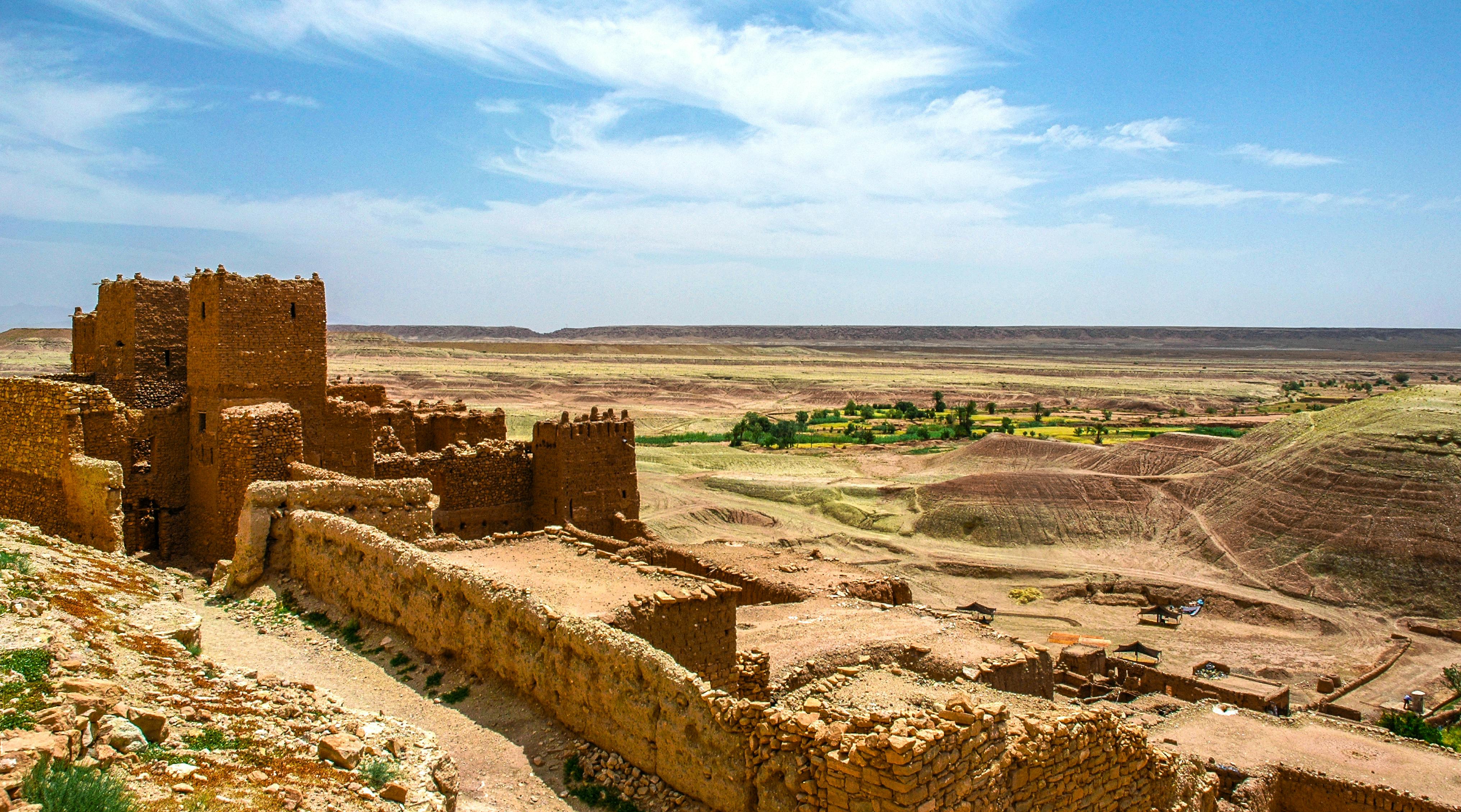
The Sahara Desert, the world’s largest hot desert, was not always an arid wasteland. Thousands of years ago, it was a lush green savanna teeming with life, a period known as the African Humid Period (AHP). This fertile landscape supported thriving human populations who engaged in pastoralism, fishing, and early agriculture. However, as the Earth's climate shifted, monsoon rains moved away, leading to the desertification of the Sahara.
This environmental transformation forced populations to migrate toward more hospitable areas, including the Nile Valley, the West African Sahel, and the Great Lakes region. These migrations played a crucial role in the rise of civilizations such as Ancient Egypt, the Nok Culture, and later West African empires like Mali and Songhai. Now, with advancements in satellite imaging, artificial intelligence, and archaeological research, we have an unprecedented opportunity to uncover more about this lost era.
1. The Green Sahara and the Birth of Civilization
Archaeological evidence, including rock art found in North Africa, depicts scenes of cattle herding, fishing, and abundant wildlife—clear indicators that the Sahara was once a thriving environment. The transition from lush landscapes to desert pushed people toward river systems, giving rise to complex societies.
Some key civilizations that emerged from this migration include:
- Ancient Egypt: The drying Sahara forced populations toward the Nile, where they developed an advanced society with monumental architecture, writing, and governance.
- West African Kingdoms: The Sahel region, once part of the Green Sahara, became the foundation for the Ghana, Mali, and Songhai empires, known for their wealth, trade, and Islamic scholarship.
- Great Lakes Region Cultures: Some pastoralist groups moved toward East Africa, contributing to societies that retained symbols and traditions linked to the Green Sahara period.
2. The Ankh and Its Connection to Ancient African Cultures
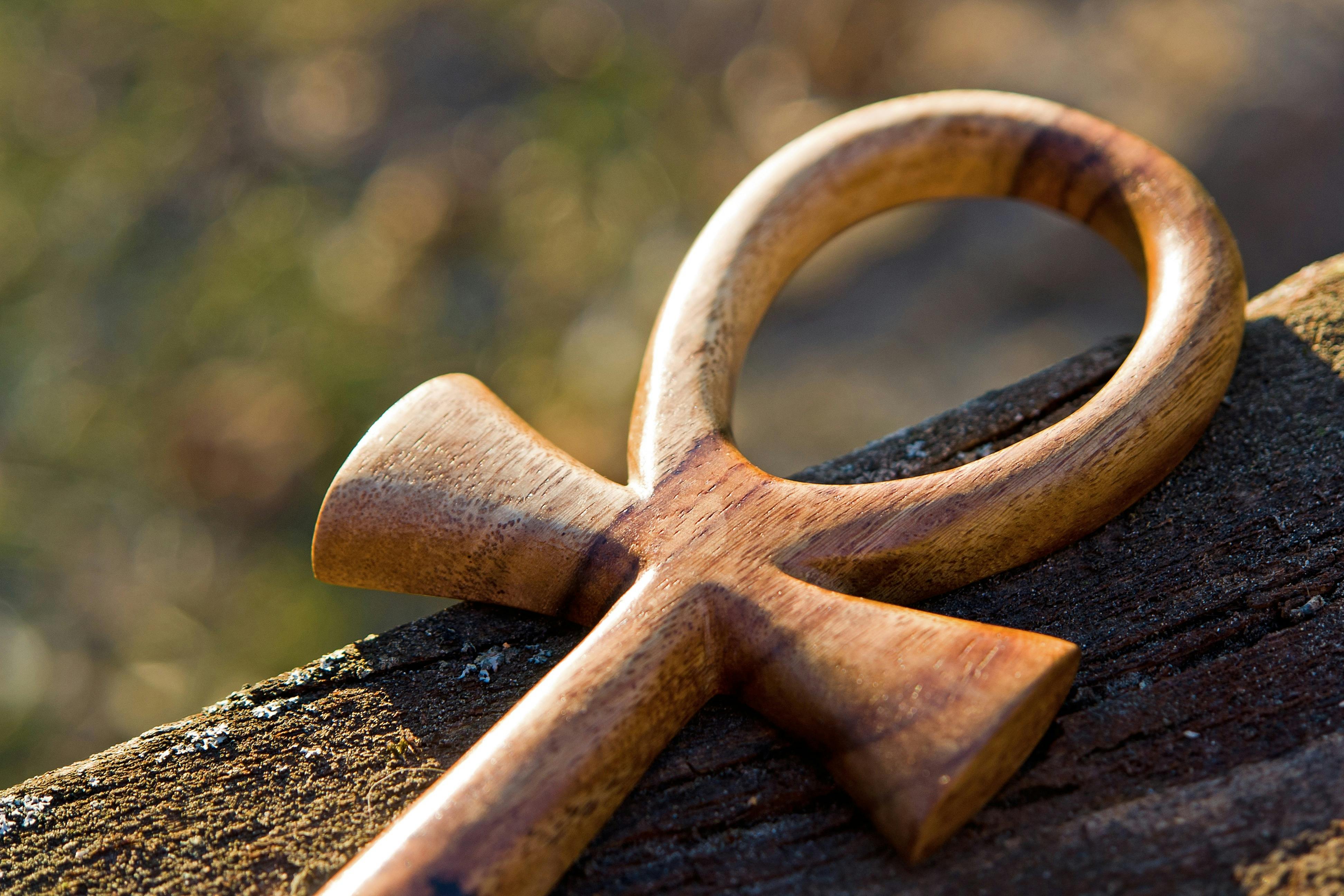
The ankh, often referred to as the "key of life," is one of Ancient Egypt’s most recognized symbols. However, new research suggests that the ankh may have originated from pastoralist traditions of the Green Sahara, particularly among cattle-herding communities.
The ankh is shaped like a cow’s head, reflecting the importance of cattle in early African spiritual and economic systems. This interpretation aligns with symbols and traditions seen in the Great Lakes region of Africa, where pastoralist groups such as the Ankole people of Uganda have maintained similar cultural practices.
3. Igbo Ukwu and Nile Valley Connections
The Igbo-Ukwu civilization in present-day Nigeria, known for its intricate bronze artifacts and glass beads, also shows signs of influence from the Nile Valley. Studies of ancient trade routes suggest that glass beads found in Igbo-Ukwu may have originated from Egypt and Nubia, highlighting an interconnected African past.
Further linguistic analysis of African languages reveals deep connections between Niger-Congo and Nilo-Saharan languages, suggesting ancient migrations and cultural exchanges that were shaped by the drying of the Sahara.
4. How Technology Is Uncovering the Lost Past
Modern technology is revolutionizing our ability to uncover the secrets of the Green Sahara. Some key advancements include:
- Satellite Imaging: Scientists use high-resolution satellite images to detect ancient riverbeds, settlements, and trade routes hidden beneath the Sahara’s sands.
- Ground-Penetrating Radar: This technology allows archaeologists to scan beneath the surface and find buried structures without excavation.
- Artificial Intelligence (AI): AI helps researchers analyze linguistic patterns and identify connections between ancient cultures.
One of the most exciting discoveries has been the mapping of a massive ancient river system beneath the Sahara, which may have supported early human migrations. As technology improves, we are likely to uncover even more about the civilizations that once thrived in this region.
5. Language and Cultural Connections
The migration of people from the Green Sahara is also reflected in the languages spoken across Africa today. Linguistic studies show striking similarities between ancient Egyptian and various Niger-Congo languages, suggesting a common ancestral origin.
Additionally, cultural practices such as cattle reverence, mask-making, and burial traditions in West Africa and East Africa show connections to Ancient Egyptian customs, further supporting the idea that the civilizations of the Nile did not develop in isolation.
Conclusion
The transformation of the Green Sahara into a desert was one of the most significant climate events in human history, forcing mass migrations that gave rise to great civilizations like Ancient Egypt and the West African empires. The evidence found in rock art, the ankh symbol, and cultural traditions across Africa points to a deeply connected history that extends beyond national and regional boundaries.
With the help of modern technology, we are now rediscovering lost cities, forgotten trade routes, and linguistic connections that provide deeper insight into Africa’s shared past. The more we explore, the more we realize that the desert sands may still hold secrets that could redefine our understanding of civilization itself.
Disclaimer
This article is for informational purposes only and does not constitute historical or scientific advice. Research in this field is ongoing, and new discoveries may refine our understanding of ancient civilizations.