Nubia: Identity, Heritage Destruction, and the Future of Tourism
Published on: March 2, 2025
Introduction: Nubia, a name that echoes through the annals of African history, has long been associated with the rich cultures that once thrived along the Nile. However, a contentious debate surrounds the name itself: do the people of Nubia call themselves by that name, or is it a label imposed by Western scholars in an attempt to distance Egypt from its African roots? This article examines the origins of the name Nubia, explores evidence about the destruction of its ancient sites, and discusses how tourism in the region can be revitalized through technology and thoughtful heritage management.
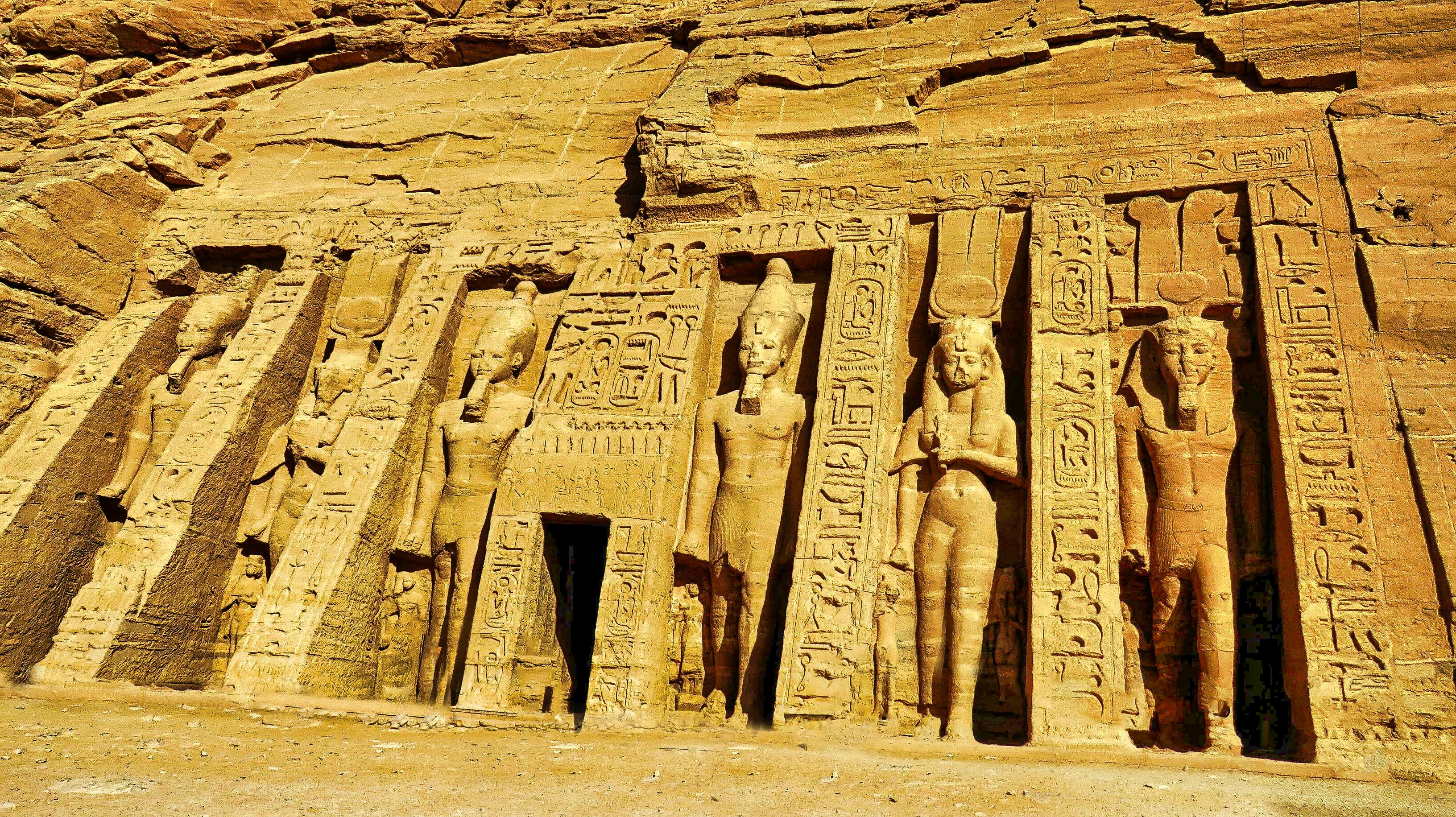
1. The Origin of the Name Nubia: Identity or Imposition?
The term "Nubia" appears in ancient Greek and Roman texts and has been widely used by Western scholars to describe the region stretching along the Nile, south of Egypt. However, some scholars argue that the people who lived in this region may have had their own names for their communities and cultural identities. Research published in the Journal of African History (2018) suggests that while "Nubia" became a convenient label for outsiders, indigenous groups may have referred to themselves using terms rooted in their language and traditions.
Recent archaeological and linguistic studies indicate that the diverse populations in this region—ranging from ancient Kerma to Meroë—shared deep cultural ties that predate the Greek usage of "Nubia." This challenges the notion that the name is merely a Western imposition designed to detach Nubia from its Egyptian and broader African heritage.
2. Nubia’s Ancient Heritage and the Loss of Its Sites
Nubia was once home to thriving civilizations known for their impressive architecture, sophisticated metallurgy, and vibrant cultural traditions. The region's ancient sites, including temples, pyramids, and royal cemeteries, bear testimony to its illustrious past. Yet, much of this heritage has been lost due to a variety of factors.
Several ancient Nubian sites have suffered from neglect, environmental degradation, and, in some cases, deliberate destruction during periods of political upheaval. For example, UNESCO reports indicate that many archaeological treasures in Nubia were damaged during the construction of the Aswan High Dam in the 1960s, when entire areas were submerged or destroyed to make way for modern infrastructure. Moreover, conflict and looting in the region have further eroded these irreplaceable cultural landmarks.
Local historians note that the loss of Nubia’s heritage is not merely a consequence of modern development; centuries of external interference and colonial attitudes have contributed to the underfunding and mismanagement of Nubian historical sites. As one researcher from the University of Khartoum stated in a 2023 interview, "Nubia’s cultural legacy has been compromised not only by environmental forces but by a long history of external exploitation and neglect."
3. Challenging Western Narratives and Reclaiming Identity
For many years, Western narratives have tended to separate Nubia from Egypt, suggesting that Nubian culture is somehow distinct from its northern neighbor. However, evidence from archaeological excavations and genetic studies shows significant overlap between the populations of ancient Egypt and Nubia. A 2020 study in Nature Communications found that genetic markers in modern Egyptians and Nubians are closely linked, implying a shared heritage.
This research challenges the idea that Nubia is an artificial construct imposed by outsiders. Instead, it supports the view that Nubian identity is rooted in a long, intertwined history with Egypt and other parts of Africa. Such findings have important implications for cultural pride and historical accuracy, urging both scholars and policymakers to recognize Nubia’s rightful place within Africa’s rich tapestry.
4. The Role of Technology in Rediscovering Nubia
Modern technology is opening new avenues for uncovering Nubia’s lost heritage. Satellite imaging and ground-penetrating radar are being used to locate hidden archaeological sites, even in areas now buried beneath shifting sands or modern development. Researchers from the International Centre for Desert Archaeology have recently discovered what appears to be a network of ancient settlements along the Nile, once part of Nubia's thriving urban landscape.
Advanced genetic analysis, as featured in several recent publications in Current Anthropology, also helps to trace the movement and evolution of Nubian populations over millennia. These technological tools not only provide evidence of Nubia's ancient glory but also help challenge outdated narratives that have marginalized Nubian history.
5. Enhancing Tourism in Nubia: Opportunities and Strategies
Despite the challenges, Nubia has tremendous potential as a tourist destination. Its rich history, striking landscapes, and cultural heritage offer unique attractions for travelers. However, there is a need for a coordinated effort to improve the management and promotion of Nubian sites.
Some strategies that could enhance tourism in Nubia include:
- Investment in infrastructure: Modern facilities such as visitor centers, museums, and guided tour services can help attract international tourists.
- Collaborative preservation efforts: Partnerships between local governments, international organizations like UNESCO, and private investors can fund the restoration and maintenance of ancient sites.
- Digital marketing and virtual tours: Utilizing social media, virtual reality, and augmented reality can provide immersive experiences that educate and engage potential visitors.
- Cultural festivals and local engagement: Promoting Nubian music, art, and cuisine can create a vibrant cultural scene that appeals to tourists and supports the local economy.
For example, the Nubian Cultural Heritage Initiative, launched in 2023, has already begun restoring key sites along the Nile and developing digital archives to document Nubia's history. Such initiatives demonstrate that with targeted investment and community involvement, Nubia can reclaim its status as a premier cultural destination.
6. Global Implications and the Future of Nubian Identity
Understanding the origins and evolution of Nubian identity has broader implications for how we view African history and cultural diversity. The discussion over the name "Nubia"—whether it is a self-chosen identity or a label imposed by outsiders—reflects ongoing debates about the legacy of colonialism and the right to self-definition.
As more evidence emerges from archaeological and genetic research, it becomes increasingly clear that Nubia’s heritage is inextricably linked to that of Egypt and the broader African continent. Recognizing this shared history can help combat divisive narratives and promote a more inclusive understanding of African identity. Moreover, preserving and promoting Nubia’s rich legacy can serve as a model for how other regions might reclaim and celebrate their own cultural heritage.
7. Conclusion
The story of Nubia is one of resilience, adaptation, and the enduring power of cultural heritage. Far from being a mere label imposed by outsiders, Nubia represents a vibrant, complex identity that has evolved over thousands of years. While ancient Nubian sites have suffered from neglect, environmental challenges, and even deliberate destruction, modern technology is beginning to uncover their secrets. Satellite imaging, ground-penetrating radar, and genetic studies are providing new insights into the history and migrations of Nubian peoples, challenging outdated Western narratives and reaffirming Nubia’s place within Africa.
To secure its future, Nubia must invest in its cultural heritage, improve tourism infrastructure, and leverage modern technology to promote and preserve its ancient legacy. By doing so, Nubia can not only reclaim its historical identity but also offer a unique and enriching experience for tourists from around the world.
In a globalized world where cultural heritage is increasingly at risk of being overshadowed or misrepresented, the case of Nubia serves as a powerful reminder of the need to protect and celebrate our shared human history. As we continue to uncover the mysteries of the past, it is crucial that we do so with respect, scientific rigor, and an inclusive perspective that honors the true origins of these ancient cultures.
Disclaimer
This article is for informational purposes only and does not constitute professional historical or archaeological advice. Research in human history and heritage is ongoing, and new discoveries may refine our understanding of Nubian identity and culture. Readers are encouraged to consult primary research sources and academic publications for further details.