Technology's Role in Aviation Safety: Causes, Challenges, and Solutions
Published on: February 19, 2025
Introduction: The recent Delta Airlines crash in Toronto and other aviation incidents in 2025 have raised concerns about flight safety. Despite advancements in technology, automation, and tracking systems, accidents still happen, often due to a mix of human error, environmental conditions, and mechanical failures. However, technology also holds the key to reducing risks and making air travel even safer. This article examines how technology contributes to both the causes of aviation accidents and their solutions.
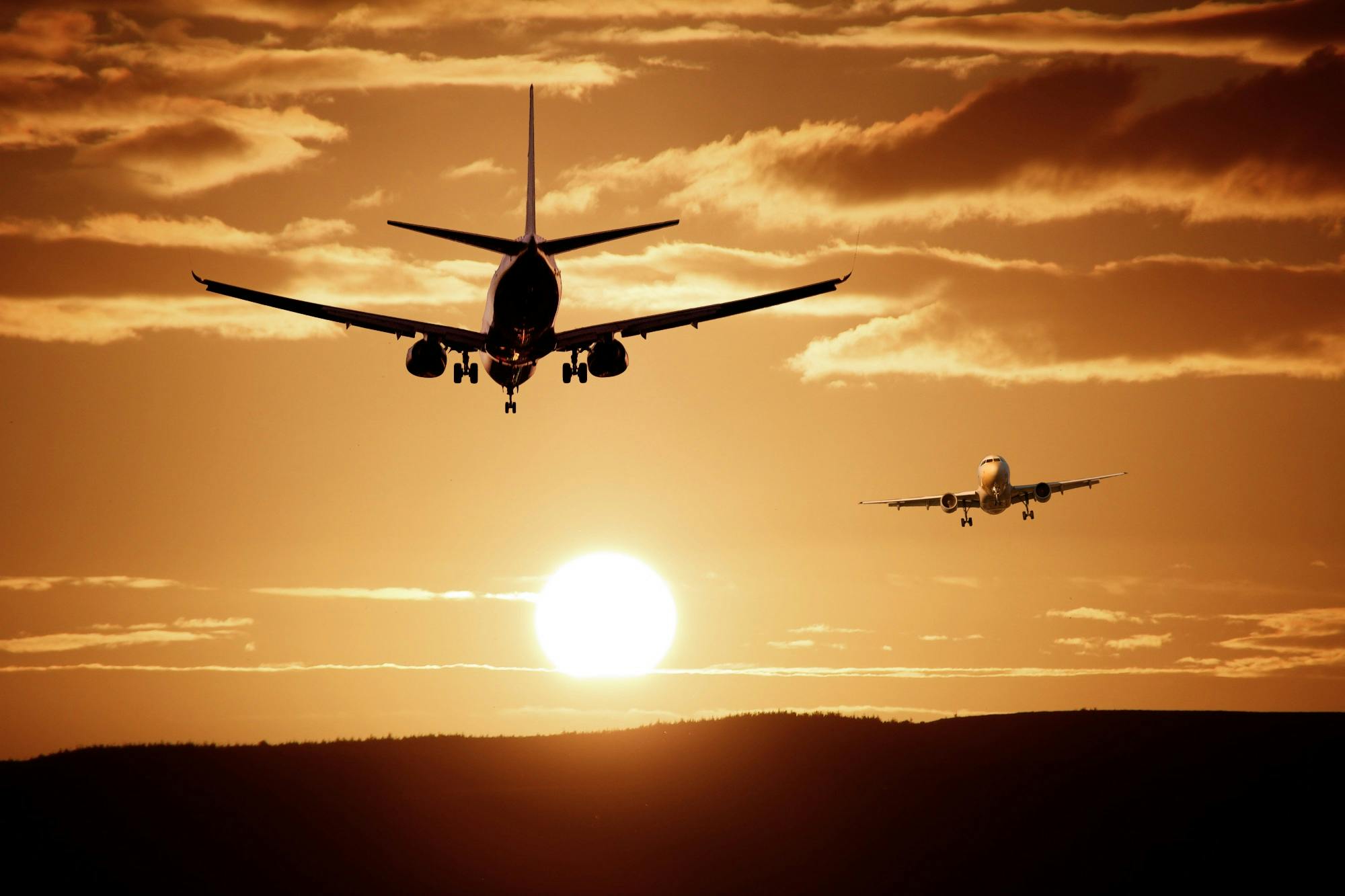
1. The Role of Technology in Aviation Accidents
While modern aircraft are more advanced, efficient, and equipped with AI-driven systems, accidents still occur. Understanding the technological factors contributing to crashes can help identify solutions.
Automation and Pilot Reliance on Technology
Advanced autopilot systems reduce pilot workload but also create over-reliance on automation. When systems fail, pilots may struggle to manually correct issues in high-stress situations. In previous years, crashes were linked to autopilot disengagement at critical moments, catching pilots off guard.
Sensor and Mechanical Failures
Many aircraft systems depend on sensors that can malfunction or provide inaccurate readings. Engine failures, landing gear malfunctions, and fuselage structural issues can still cause accidents. The Jeju Air crash in December 2024 involved engine damage from a bird strike, worsening the emergency landing.
Weather and Environmental Challenges
Despite modern weather prediction systems, severe turbulence, wind shear, and storms still lead to crashes. AI-based predictive models exist but aren’t 100 percent effective in real-time mid-flight weather adaptation. The Toronto Delta crash was likely caused by strong winds and snow, despite pre-flight weather monitoring.
Cybersecurity and Hacking Threats
As aircraft become more digital, they face cybersecurity risks from hackers targeting flight control systems. While no major cyberattacks have directly caused crashes yet, the aviation industry remains on high alert.
2. How Technology Can Improve Aviation Safety
Despite the risks, technology is the biggest driver of aviation safety improvements. Here’s how it’s making a difference:
AI and Machine Learning in Flight Operations
AI-powered predictive maintenance systems analyze aircraft performance and detect issues before failures occur. Airlines now use real-time data monitoring to prevent mechanical failures mid-flight.
Next-Generation Air Traffic Control (ATC)
AI-driven ATC systems improve traffic coordination, reducing mid-air collision risks. The Washington mid-air collision in January 2025 could have been avoided with enhanced AI monitoring.
Better Black Box and Real-Time Flight Data
Modern aircraft transmit real-time flight data to ground control, improving accident investigations. The infamous black box recovery delays are being reduced by satellite-based live tracking.
Enhanced Pilot Training with Virtual Reality (VR)
VR and AI-driven simulators now help pilots train for emergency scenarios, making them more prepared. Landing gear failure simulations help pilots react faster in real-world incidents.
Stronger Aircraft Materials and Automation Enhancements
New materials and aerodynamics improve aircraft durability, fuel efficiency, and safety. Future aircraft will integrate self-repairing materials that reduce risks from small structural damages.
3. The Future of Aviation Safety: What’s Next?
With constant innovation, the aviation industry is moving toward a future with fewer accidents and safer flights. Here’s what to expect:
- AI-controlled air traffic: Full automation to reduce human errors in flight routing and navigation.
- Better communication systems: Real-time pilot-ATC interaction using quantum-encrypted networks for security.
- Electric and hydrogen-powered planes: Safer engine technology with lower environmental risks.
- Biometric security and passenger monitoring: Identifying potential risks before takeoff using AI behavior analysis.
Conclusion
While technology contributes to some aviation accidents, it remains the strongest tool for preventing them. The future of air travel depends on advanced AI, predictive analytics, stronger materials, and improved pilot training. Despite the recent incidents, flying remains one of the safest modes of transport, thanks to continuous technological advancements.
Disclaimer
This article is for informational purposes only and does not constitute professional aviation or travel safety advice. Always refer to official aviation authorities for the latest safety guidelines.